If you want the rainbow, you gotta put up with the rain.
~ Dolly Parton
We believe mental health care should feel welcoming, personal, and free of judgment. Here at Petal & Paw Psychology, we focus on what matters most to you — your story, your pace, and your goals.
Together, we blend evidence-based techniques with everyday tools so progress feels manageable. You’ll always know we’re cheering you on and ready to adjust the path whenever life shifts.

Individual Therapy Session
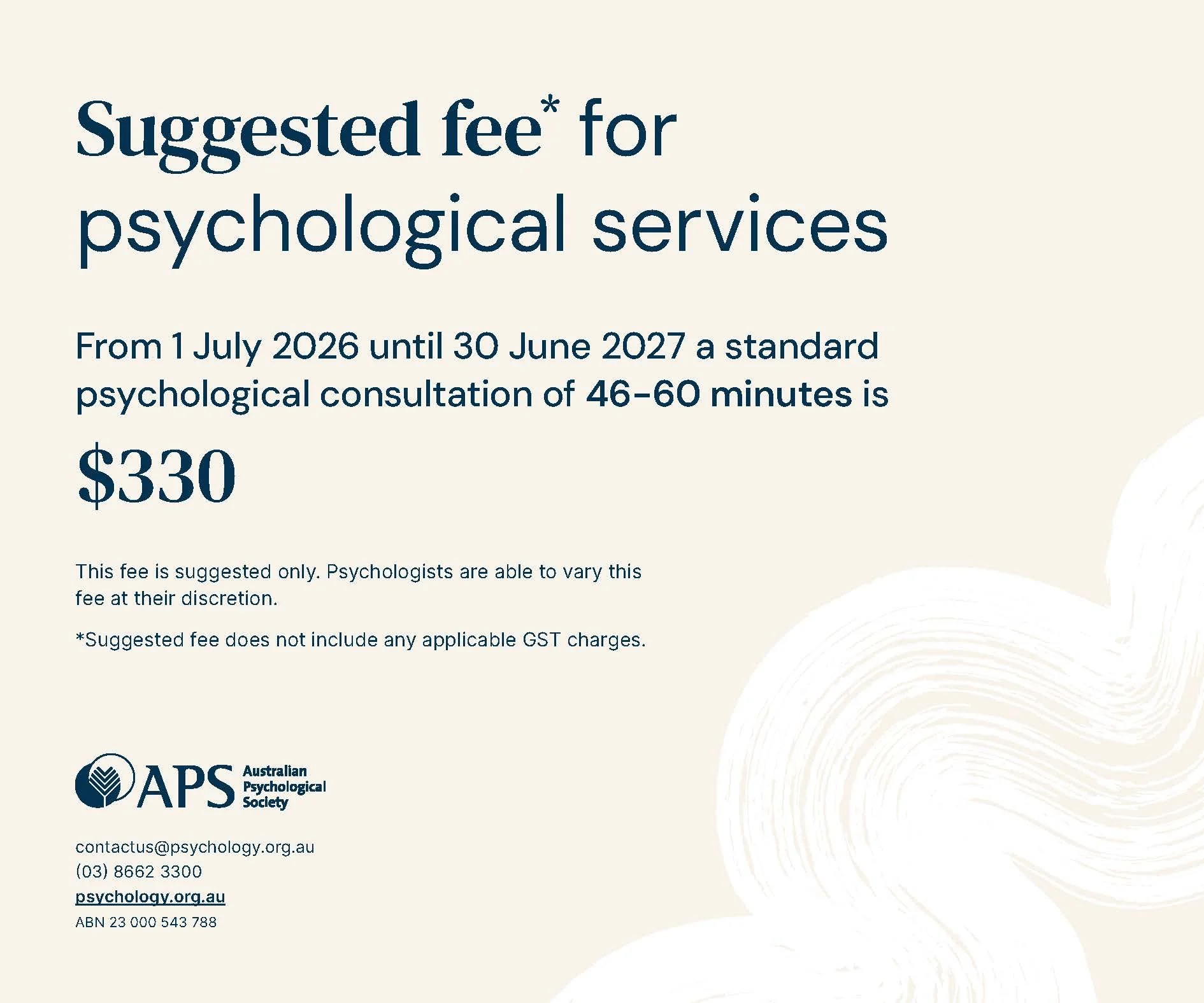
from $185
A 50-minute one-on-one session tailored to help you manage stress, anxiety, or life changes with practical, compassionate guidance.
Currently available for privately funded, Medicare card holders with a valid Mental Health Care Plan (MHCP) from your referring GP, or NDIS (self-managed or plan managed).
Coming soon, referrals funded under Workcover and TAC.

Assessments
$750-1100 (+GST for reports)
Offering assessments for Autism (ASD) and Attention-deficit Hyperactivity disorder (ADHD). Pricing varies according to report size (brief or full) and additional collateral documents for funding purposes.
For cognitive assessments, please enquire with us for further information.

Supervision
$150-180
Currently offering individual supervision for provisional psychologists ($150), psychology registrars (as secondary supervisors, $165), and fully registered psychologists ($180).
Group supervision only offered within group practices. Please enquire for further information about group supervision or expressions of interest.
Concession rates and bulk billing options are limited and only available for eligible clients. This may include having a health care card or concession card from Centrelink.
Please contact us for more information about reduced fees and low-cost mental health support options.
What we work with

-
An experience characterised by feelings of worry or tension, or symptoms such as fast heart rate and breathing, sweating, nausea, appetite changes, or rumination (racing negative thoughts).
Anxiety can also include worries about uncertainty, anticipation, impending danger.
-
Often associated with feeling low or sad, loss of pleasure or interest in people or things we’ve once found enjoyable, changes in sleep and eating, difficulties concentrating, and sometimes worthlessness.
Some people experience an impact to their usual daily functioning, and can sometimes experience hopelessness or suicidal thoughts.
-
Autism and ADHD are classed under the umbrella term of neurodevelopmental disorders or otherwise known as “neurodivergent conditions”.
Autism, or autism spectrum disorder (ASD) is a lifelong condition that affects how a person perceives, interacts, and communicates with the world and others around them. This might include social and communication difficulties, restricted and/or repetitive behaviours, sensory processing differences, and self-regulating behaviours (known as stimming).
Attention deficit hyperactivity disorder (ADHD) similarly affects how someone self-regulates their emotions, attention, impulsivity, and activity levels. This can be seen as difficulties maintaining focus, organisation, forgetfulness, easily distracted, fidgeting or restlessness, excessive talking or cutting people off during conversations, or can sometimes be seen as highly energetic.
Every neurodivergent individual presents differently, so it can be beneficial to learn about your neurodivergent profile including your strengths and difficulties through formal assessment, to help you with getting the right supports and empowering you throughout your journey.
-
There are many interpretations to what is considered “trauma” in mental health. How we usually describe trauma, is an intense emotional or physical reaction to an upsetting, dangerous, or life-threatening event that can overwhelm a person’s ability to cope with the situation.
These upsetting events may include a single distressing event such as a car accident or natural disaster, complex trauma from prolonged or repeated exposure to multiple harmful or abusive events over time, intergenerational trauma passed down through families or cultures, or vicarious trauma which is the emotional strain experienced by people who support others who have witnessed trauma.
Symptoms of trauma can include flashbacks, nightmares, mood swings, easily startled, emotional numbness, difficulty trusting others, sleep disturbances, or avoidance towards certain triggers or reminders.
-
When someone experiences heavy workloads, poor supports, role confusion or dissatisfaction, and conflict in the workplace, they may experience physical, emotional, or mental symptoms in response to the pressure and demands of the work environment.
This may appear as chronic fatigue, sleep disturbances, muscle tension, anxiety, irritability, poor concentration, or feeling overwhelmed. These can impact work performance, social withdrawal, poorer work satisfaction, and conflicts with home life.
-
Life can be exciting, but it can also be difficult to manage as we navigate through new chapters and experiences. Adjusting to changes in life can challenge us and our resiliency, and is normal to need the space to explore and process the life before these changes and the new life after.
Whether these are about jobs, relationships, moving houses, parenthood, or other significant life transitions that we need to learn to adjust to.
-
Involves the emotional and psychological well-being of parents from pregnancy (antenatal) through the first year after birth.
“Baby Blues”: Mild mood swings, tearfulness, and anxiety can affect many new parents in the first 3 to 5 days post-birth.
Perinatal & Postnatal Depression: Persistent feelings of sadness, emptiness, or overwhelm.
Perinatal & Postnatal Anxiety: Ongoing, hard-to-manage worry, tension, or panic. This can often look like anxiety around uncertainty, feeling overwhelmed and unsure what to do, or worrying about the worst-case scenario.
Birth Trauma / PTSD: Triggered by a distressing or traumatic birth experience.
Postpartum Psychosis: Often involves hallucinations, delusions, abnormal behaviours/thinking, or extreme confusion following birth.
Impact on Partners: Expecting non-birthing partners experience anxiety, depression, helplessness, or feeling a sense of a lack of attachment/bond with the newborn.
-
For people with mental health and/or drug-alcohol concerns, who have or are at risk of offending, or pose a risk to themselves or others.
Also may include those referred from the general mental health system for specialist advice, support and/or treatment, or required to engage in psychological treatment as a condition of parole or bail.
-
Assessment, diagnosis, and reports for ADHD, autism, and other mental health conditions.
If you are wanting any forensic or legal reports, please contact us with further information as to whether we are able to provide these reports.
Ready to Start Feeling Better?
Send us a quick note, and we’ll find the best time to talk—no pressure, just support.